

NEWS&EVENTS
-
REPORT
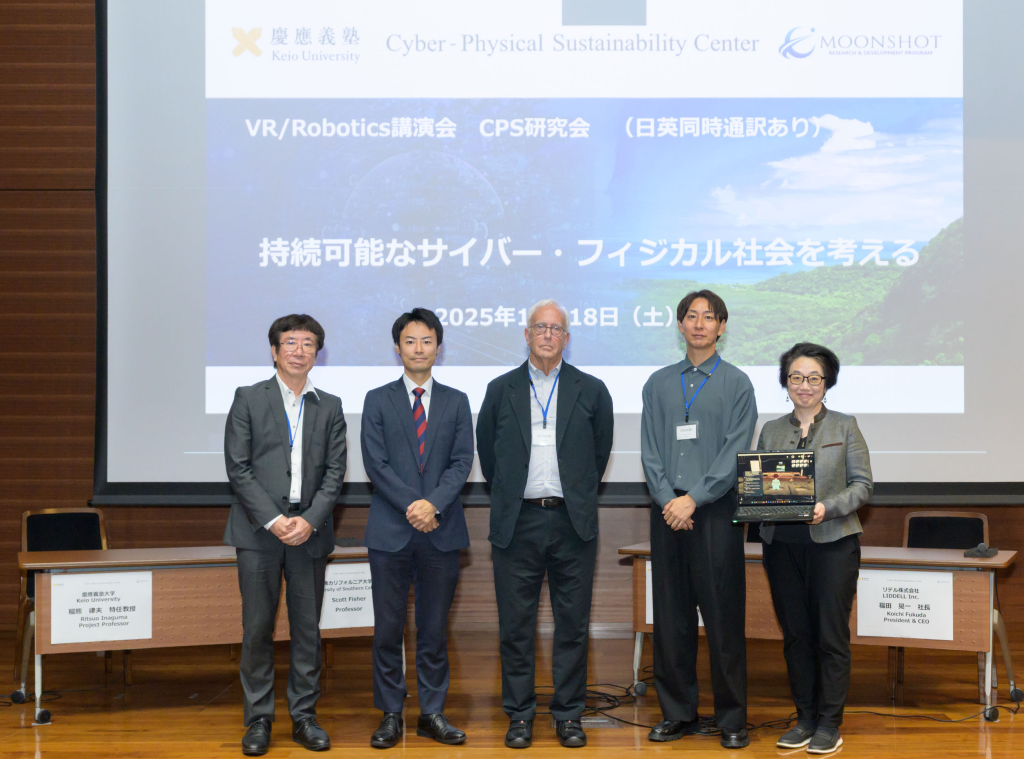
【Event outline】
Saturday, October 18, 2025, 13:30–17:30
5th floor, South School Building, Mita Campus, Keio University
For this seminar, three speakers were invited to summarize and trace the history of the development of VR technology and robotics, elaborating on the time taken for these technologies to be widely adopted, and giving an overview of what changes have occurred in the environment and society’s perception of these technologies as VR and robotics become more popular.
Professor Scott Fisher of the University of Southern California, who has long been researching telepresence and immersive content, presented on the history and possibilities of VR, while Associate Professor Takahiro Nozaki of Keio University, who is researching haptic technology necessary for robots to hold objects or shake hands with people, gave a lecture on robotics.
Representing the business sector, Mr. Koichi Fukuda, CEO of Liddell Inc., shared insights on value creation through the use of VR technology. He gave an overview of how they came to provide a service called “influencer marketing” where they focus on influencers with large followings on social media. He also gave his standpoint on the future spread of VR technology.
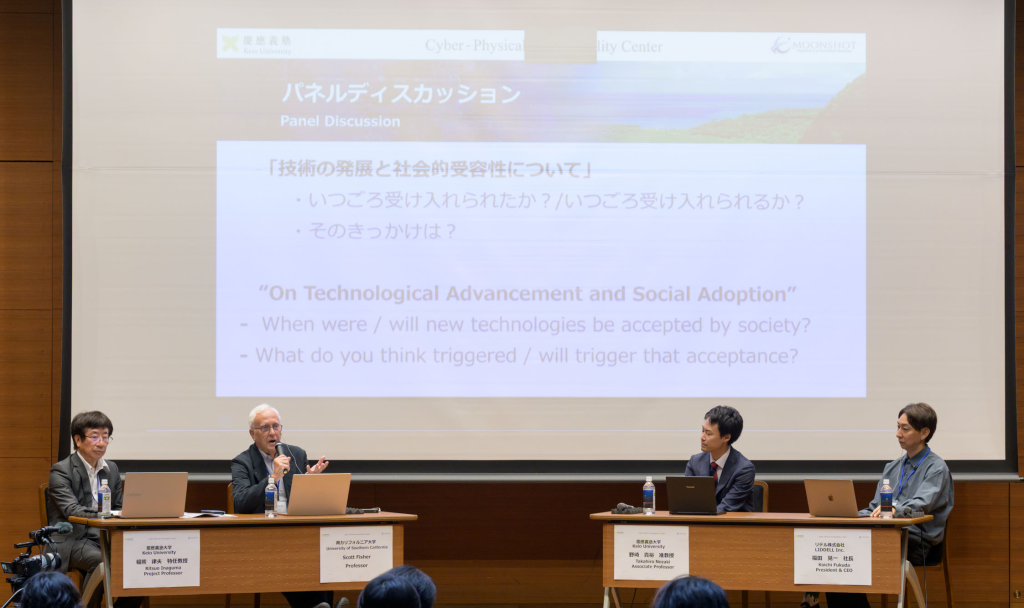
During the panel discussion, speakers exchanged their views on the technological advancement, social receptivity, as well as issues related to safety and security. After that, the speakers took questions from the audience.
To round up the discussion, participants shared their opinions on the question, “What does a sustainable cyber-physical society entail?”
【Event program】
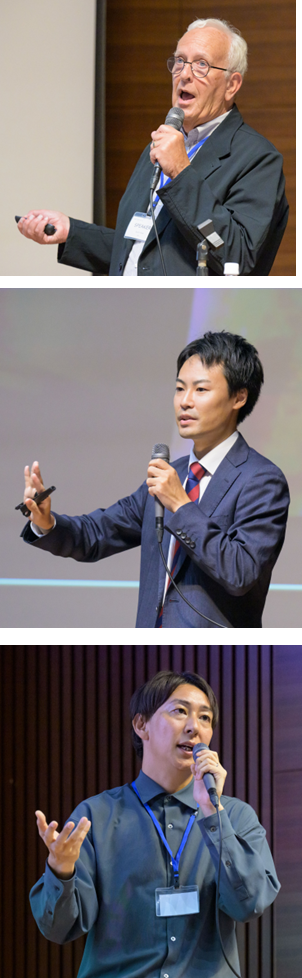
13:30 Opening remarks by Professor Yuko Kimijima of the Keio University Faculty of Law, director of the Cyber-Physical Sustainability (CPS) Center
13:45 Lecture one
“The History and Potential of XR for Human-Robot Interaction and Remote Presence Applications”
Professor Scott Fisher, School of Cinematic Arts, University of Southern California
Director of USC Mobile & Environmental Media Lab
14:35 Lecture two
“Is a Sustainable Relationship between Humans and Robots Possible? Bringing Humans and Robots Together”
Associate Professor Takahiro Nozaki, Faculty of Science and Technology, Keio University
15:15 Lecture three
“Social Receptiveness as a Business Model: What Opportunities do Social Media and the Metaverse Provide?”
CEO Koichi Fukuda, Liddell Inc.
15:45 Break
16:00 Panel discussion
“How can New Technologies such as VR and Robotics Become Widely Adopted by Society?”
Speakers: Prof. Scott Fisher, AP Takahiro Nozaki, CEO Koichi Fukuda
Moderator: Project Professor Ritsuo Inaguma
Contents of the panel discussion:
“Society’s Receptiveness Toward the Development of VR and Robot Technologies”
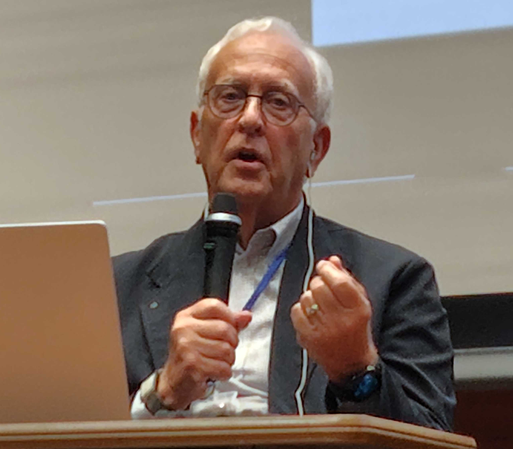
Q: For instance, head-mounted displays and VR goggles have been around for more than 20 years. What do you think led to their popularization as a way to access the metaverse these days?
A: Hollywood began to incorporate 3D graphics and visual effects in their productions. At USC, we endeavored to create an environment where production companies can easily enter the market by producing content at a low cost.
It is also important for manufacturers to offer their products at affordable prices, and for consumers to be able to enjoy them.
Q: Robots are already in widespread use in production and assembly lines. What needs to be done so that this technology becomes more accessible to the general public going forward?
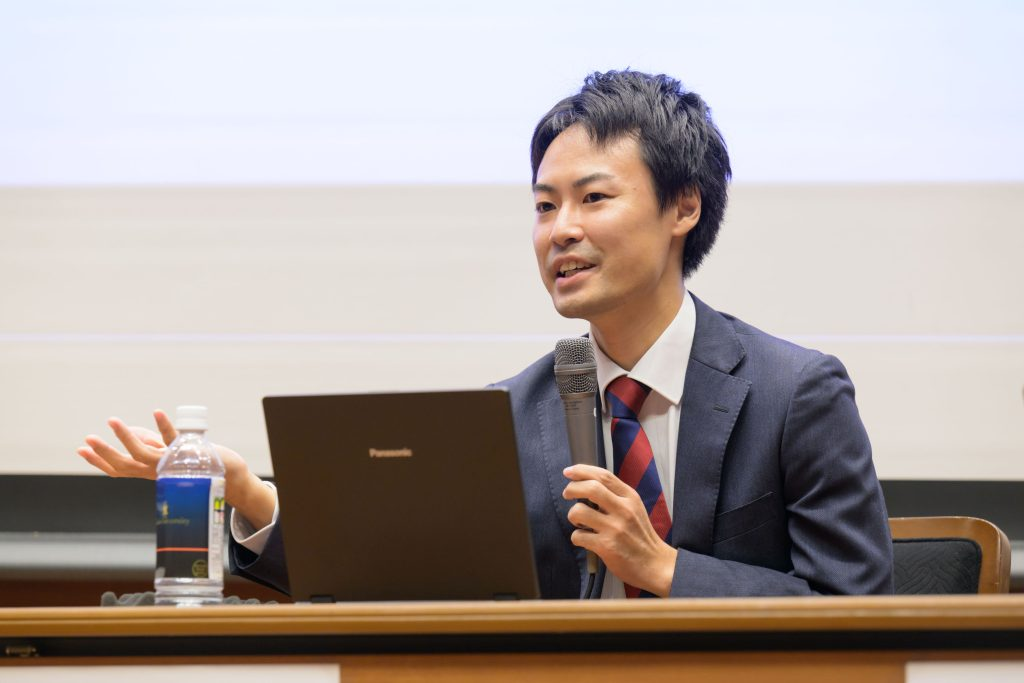
A: We need to examine this issue through a cost-effectiveness perspective. For example, robots will be required to be multifunctional—capable of performing a wide variety of tasks even without hardware alterations. Robots will also need to be usable by the layman, such that it isn’t necessary to force ordinary people to acquire specialized knowledge and become experts in robotics just to be able to operate one.
Furthermore, we have reached a stage where robots can be produced and offered at a similar price range as automobiles.
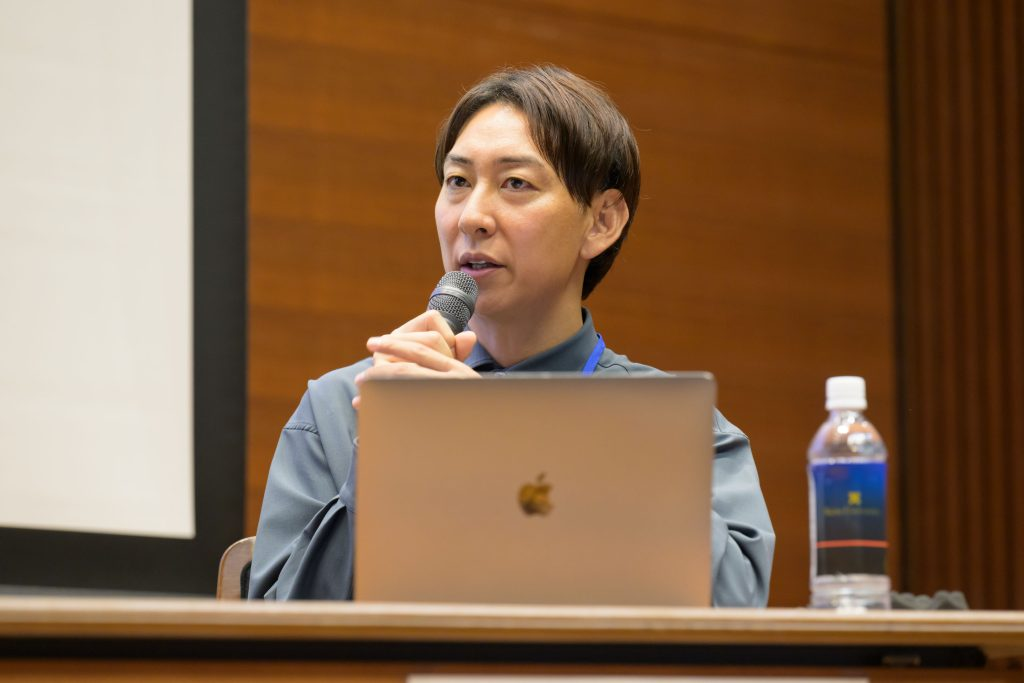
Q: Do you think VR will become popular with people who have no prior experience with this technology?
A: While this depends on the reach of content and usage of content, I believe that the use of AI is expected to provide added value for users.
“Safety and Security”
Q: There has been a lot of discussion in the world of social media regarding data protection and accuracy. What do you think about the current approach to user safety and security? Also, do you have any concerns about robots potentially malfunctioning?
A: Overly strict regulations will interfere with market forces, so careful deliberation is needed. As for robot malfunctions, they are in fact more reliable than humans in that they can avoid repeating the same mistake.
People may experience confusion between illusion and reality once they are immersed in the world of VR. However, with continued use, the user will gradually become accustomed to the sensation.
“What does a Sustainable Cyber-Physical Society Entail?”
Q: Are there business opportunities in a cyber-physical society?
A: I believe the experience of spatial creativity, combined with AI, offers added value. Robots are tangibly linked to time and physical spaces, and in this sense, I think that they are a constant and “real” presence. I am also confident that robotics is a field in which Japan can take the lead and be on the forefront of technological development.
17:15 Closing remarks by Professor Yuko Kimijima of the Keio University Faculty of Law, director of the Cyber-Physical Sustainability (CPS) Center